
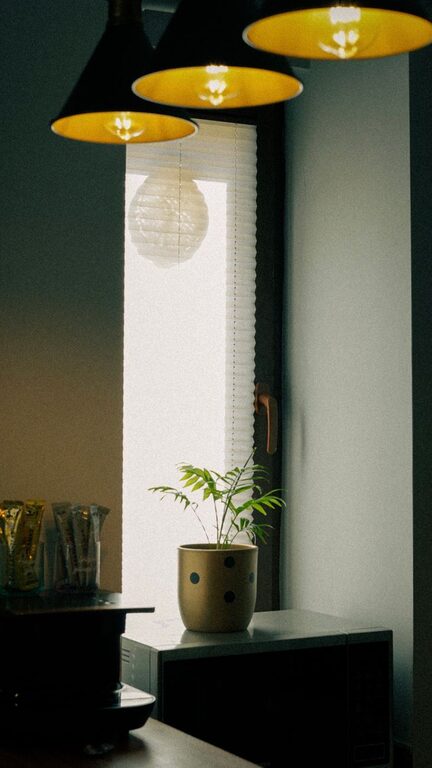
Creating a relaxing home environment doesn’t have to be expensive or complicated. With thoughtful planning and a few easy changes, you can transform your space into a calming haven that helps reduce stress and boost your mood. Whether you live in a small apartment or a larger house, these budget-friendly tips will guide you in crafting a peaceful atmosphere that suits your style and needs.
Why a Relaxing Home Environment Matters
Our homes are our personal sanctuaries — places to unwind after a busy day, spend quality time with loved ones, and recharge. A relaxing environment can improve your mental well-being, promote better sleep, and enhance your overall quality of life. Luckily, you don’t need costly renovations or designer furnishings to create a soothing, inviting space. Small changes and mindful choices can make a big difference.
1. Declutter and Organize
Clear Space for Calm
A cluttered space can feel chaotic and stressful, even if you don’t realize it. Start by going through your rooms and removing items you no longer need or use. Donate, recycle, or store things away to free up surfaces and floor space.
Budget-Friendly Organizing Ideas
– Use baskets, boxes, or fabric bins you already own.
– Purchase inexpensive storage solutions from discount stores.
– Repurpose jars and containers for small items like stationery or cosmetics.
Organizing your belongings makes your home feel more open and welcoming, setting the tone for relaxation.
2. Use Soothing Colors
Pick Calm, Neutral Shades
Colors greatly affect mood. Soft, neutral tones like beige, light gray, soft blue, or pastel green create a peaceful ambiance. If repainting your entire room isn’t an option, consider painting an accent wall or using removable wallpaper.
Add Color Through Accessories
– Throw pillows, blankets, or curtains in calming hues.
– Affordable area rugs or table runners.
– Artwork or prints with tranquil themes.
These inexpensive touches bring color and warmth without a major investment.
3. Bring in Nature
Greenery for Freshness
Houseplants add a natural element that improves air quality and provides a soothing visual break. Low-maintenance plants like snake plants, pothos, or succulents are easy to care for and budget-friendly.
Natural Materials
– Use wooden bowls, woven baskets, or cotton textiles.
– Incorporate natural light as much as possible; keep windows clean and curtains light.
– Collect stones, shells, or branches during nature walks as decor accents.
You don’t have to spend a lot to enjoy the calming effects of nature in your home.
4. Create Comfortable Zones
Define Spaces for Rest and Relaxation
Arrange your furniture to build cozy corners for reading, meditation, or quiet time. You can use affordable floor cushions, soft throws, or bean bags to create inviting spots.
Multi-Use Furniture
– Ottomans with storage.
– Foldable chairs or side tables.
– Secondhand furniture finds that you can refurbish yourself.
Comfortable spaces encourage you to slow down and enjoy calm moments.
5. Control Lighting
Soft, Warm Lighting
Harsh overhead lights can contribute to stress. Use soft, warm-toned bulbs and layer lighting with lamps, string lights, or candles to build a gentle glow.
Cost-Effective Lighting Tips
– Use battery-powered LED candles for safety and ambiance.
– Repurpose mason jars or glass containers as candle holders.
– Take advantage of natural sunlight during the day.
Good lighting balances practicality with a relaxing atmosphere.
6. Add Personal Touches
Meaningful Decor
Incorporate items that bring you joy or remind you of happy memories. Photos, souvenirs, or handmade crafts make your space feel unique and comforting.
DIY Projects
– Create your own wall art with simple supplies.
– Sew pillow covers or blankets.
– Upcycle old furniture with paint or new hardware.
Adding personal touches fosters emotional comfort and connection to your home.
7. Use Aromatherapy
Scents for Calm
Certain scents like lavender, chamomile, and eucalyptus are known to promote relaxation. You can enjoy these smells without spending much.
Budget Aromatherapy Ideas
– Make a simple potpourri with dried flowers and spices.
– Use essential oils with a diffuser or add a few drops to cotton balls.
– Burn inexpensive soy or beeswax candles scented with calming fragrances.
A pleasant aroma can instantly uplift your mood and calm your mind.
8. Incorporate Soundscapes
Soothing Sounds at Home
Quiet background noise can help you relax and focus. This can be natural sounds, gentle music, or white noise.
How to Add Sound
– Use free nature sound apps or playlists.
– Play soft instrumental or ambient music.
– Use a small water fountain for a peaceful water sound.
Sound helps create an immersive calming environment.
Final Thoughts
Designing a relaxing home environment on a budget is about making intentional choices that suit your lifestyle and preferences. By decluttering, choosing calming colors, bringing nature indoors, creating cozy spaces, enhancing lighting, adding personal and aromatic touches, and embracing soothing sounds, you can craft a space that feels restful and rejuvenating.
Remember, relaxation starts with simplicity. Focus on small steps you enjoy, and your home will naturally evolve into the peaceful retreat you deserve.
About the Author
